
When Should You Call Pest Control? 7 Warning Signs You Should Not Ignore
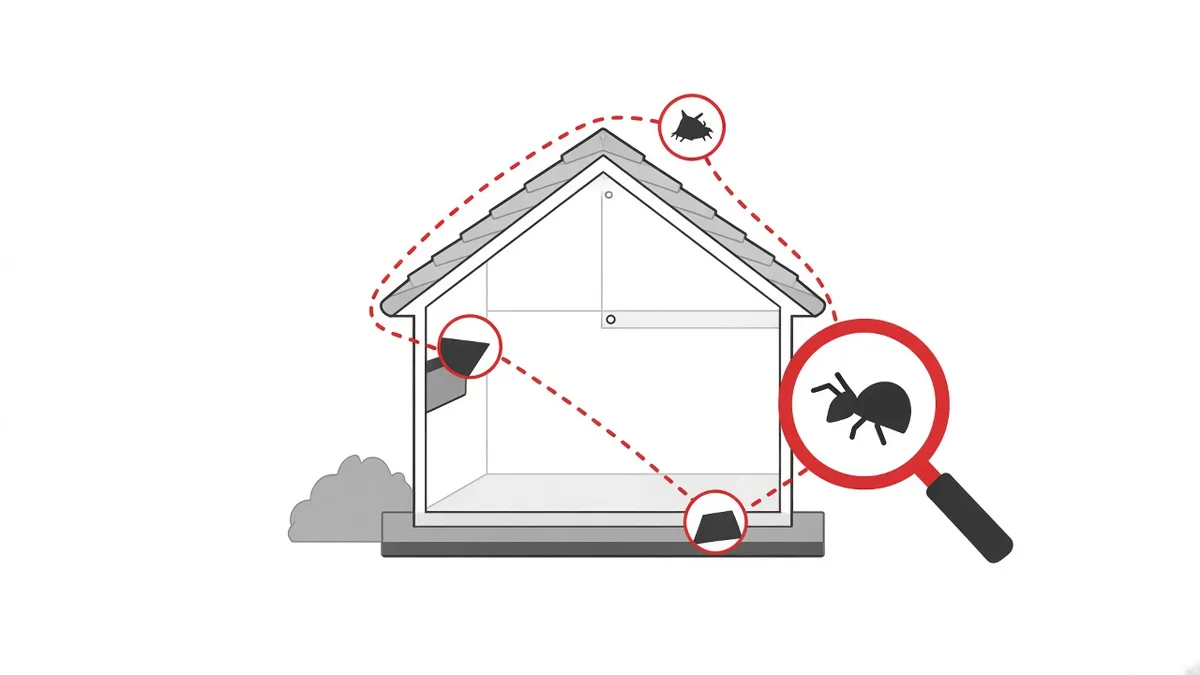
Finding one insect inside your home does not always mean you have a major pest problem. However, repeated sightings, property damage, unusual smells, or signs of nesting can indicate that pests may be establishing themselves inside your property.
Knowing when to contact a professional pest control service can help homeowners identify problems earlier and explore appropriate treatment options before the situation becomes more difficult to manage.
1. You Keep Seeing Pests Repeatedly
Seeing the same type of pest multiple times can be a warning sign that there may be a larger issue nearby.
For example:
- Ant trails appearing regularly
- Cockroaches seen during the day
- Multiple spiders in the same areas
- Rodents appearing around kitchens or storage spaces
Occasional sightings may happen, but repeated activity usually deserves closer inspection.
2. You Notice Property Damage
Some pests can damage parts of a home over time.
Possible warning signs include:
- Small holes or gnaw marks
- Damaged wood
- Chewed wires or materials
- Signs of nesting
If you notice unexplained damage, a professional inspection can help identify the possible cause.
3. You Hear Sounds Inside Walls or Ceilings
Unusual scratching, movement, or noises inside walls, attics, or ceilings may indicate unwanted animal or rodent activity.
Because pests can hide in areas that are difficult to access, identifying the source early can help determine the right solution.
4. You Find Droppings or Nesting Evidence
Pest evidence may include:
- Droppings
- Shed insect skins
- Nest materials
- Tracks or marks
These signs can indicate that pests are active in or around your property.
5. Your Home Has Unusual Odors
Certain pest problems may create noticeable smells caused by waste, nesting materials, or hidden activity.
If a strange odor continues without an obvious source, investigating the cause can help prevent the issue from becoming worse.
6. DIY Methods Are Not Solving the Problem
Store-bought products may provide temporary relief for some situations, but recurring pest problems often require identifying the source.
A professional technician can evaluate:
- The type of pest
- Possible entry points
- The level of activity
- Suitable treatment options
7. Pest Problems Keep Returning Season After Season
Many homeowners notice increased pest activity during certain times of the year.
Seasonal patterns may involve:
- Ant activity during warmer months
- Rodents seeking shelter during colder weather
- Increased outdoor insect activity
Preventive pest management can help homeowners address recurring issues before they become larger problems.
Why Professional Pest Inspection Matters
A professional pest inspection focuses on identifying the reason pests are present, not only treating visible activity.
A technician may look for:
- Entry points
- Nesting areas
- Moisture issues
- Conditions attracting pests
The recommended approach depends on the specific pest issue and property conditions.
Protect Your Home From Unwanted Pests
If you notice signs of pest activity, an inspection can help you understand the problem and identify possible solutions.
Get Pest Fixed is a referral service that connects homeowners with independent pest control providers. Submit your details and a provider serving your area may contact you to discuss an inspection and the options available for your property.
Frequently Asked Questions
How do I know if I need pest control?
Repeated pest sightings, property damage, droppings, unusual sounds, or recurring infestations are common reasons homeowners consider contacting a pest control professional.
Can I solve every pest problem myself?
Some minor issues may be manageable with basic prevention methods, but recurring or larger infestations may require professional evaluation.
How often should a home be inspected for pests?
Inspection frequency depends on factors such as location, property conditions, previous pest activity, and the type of pests common in the area.
Is professional pest control safe?
Treatment methods vary depending on the pest problem and the products used. A qualified provider can explain the process they follow and any preparation steps required.